The Ultimate Spanish Tortilla Recipe How to Make a Perfect Potato Omelet
Few dishes in the global culinary lexicon manage to be as humble, comforting, and utterly spectacular all at once as the classic Spanish tortilla, or Tortilla de Patatas. This iconic cornerstone of Spanish tapas culture relies on a handful of incredibly simple ingredients: potatoes, eggs, olive oil, and salt. Yet, when combined with the proper technique, these basic pantry staples transform into a thick, velvety, golden cake that is equally delicious served hot straight from the pan, at room temperature for a mid-afternoon snack, or chilled the next day.
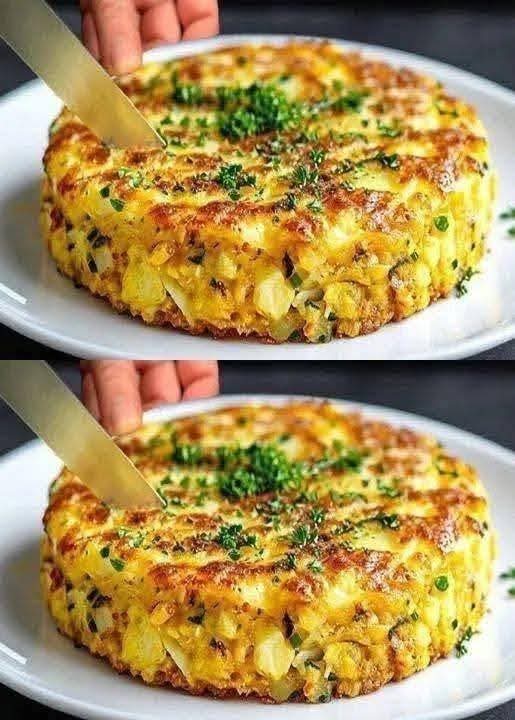
If you have ever ordered a slice of tortilla at a bustling bar in Madrid or San Sebastián, you know exactly what makes it so magical. The exterior should be beautifully caramelized and set, while the interior remains incredibly moist, tender, and rich. In this definitive guide, we will break down the precise, time-tested methods needed to recreate a flawless, high-sided potato omelet that looks every bit as enticing as the professional culinary creation featured in 1000006048.jpg.
Why This Authentic Spanish Tortilla Recipe Works
The secret to achieving the beautiful structure and rich color shown in 1000006048.jpg comes down to two critical factors: the way the potatoes are cooked and the egg-to-potato ratio. Many home cooks make the mistake of frying the potatoes on high heat until they are crispy, or boiling them until they are completely mashed. A true Spanish tortilla requires the potatoes to be gently poached, or confited, in a generous amount of high-quality olive oil. This process softens the potatoes completely, allowing them to absorb the rich flavor of the oil while releasing just enough starch to bind beautifully with the eggs.
Furthermore, this recipe utilizes a brief resting period where the warm, drained potatoes soak directly in the whisked eggs before entering the frying pan. This crucial step allows the potatoes to absorb the liquid egg mixture, ensuring that the final omelet cooks uniformly throughout without drying out or separating into distinct, chalky layers.
The Great Debate: To Onion or Not to Onion?
Before gathering your ingredients, it is impossible to discuss a Spanish tortilla without acknowledging the ultimate culinary debate that divides households across Spain: sin cebolla (without onion) versus con cebolla (with onion).
Purists argue that a true tortilla should showcase nothing but the pure, unadulterated flavors of high-quality eggs and starchy potatoes. They believe adding onion introduces an unauthentic sweetness and changes the traditional texture. On the other side of the aisle, proponents of the onion maintain that slowly caramelizing onions alongside the potatoes adds an irreplaceable depth of flavor, extra moisture, and a subtle savory sweetness that elevates the entire dish. This recipe includes the option for onions because when they are sliced paper-thin and slow-cooked until translucent, they melt seamlessly into the potato matrix, contributing to the rich, golden, and exceptionally juicy interior illustrated in 1000006048.jpg. Whichever camp you belong to, the fundamental cooking techniques remain exactly the same.
Essential Ingredients for an Extraordinary Tortilla
To achieve the thick, professional look and mouthwatering texture visible in 1000006048.jpg, you must select your ingredients with intent. Because there are so few components, the quality of each ingredient will directly impact your final result.
- Potatoes: Look for starchy or all-purpose varieties, such as Yukon Gold or Russet potatoes. Yukon Golds are particularly excellent because they offer a naturally buttery flavor and hold their shape beautifully during the poaching process without turning into mush.
- Eggs: Use fresh, large, high-quality eggs. Fresh eggs provide better emulsification, a richer color, and a superior structural rise when cooked.
- Extra Virgin Olive Oil: Do not skim on the oil. The potatoes and onions will essentially simmer in a bath of olive oil. A good-quality, fruit-forward Spanish extra virgin olive oil will impart an authentic, luxurious flavor to the dish. You will strain and save the excess oil afterward, so none of it goes to waste.
- Yellow Onion (Optional): If you choose to include it, a standard yellow or sweet onion works beautifully to provide that subtle caramelized depth.
- Sea Salt: Fine sea salt is essential for drawing out the moisture from the potatoes and perfectly seasoning the egg mixture.
- Fresh Parsley or Chives (Optional Garnish): While entirely untraditional in Spain, a delicate scattering of finely chopped fresh herbs just before slicing—as beautifully demonstrated in 1000006048.jpg—adds a vibrant pop of color and a fresh contrast to the rich, savory dish.
Step-by-Step Instructions for Perfect Execution
Mastering the Spanish tortilla is all about controlling your heat and timing your steps precisely. Follow these detailed instructions to guarantee a gorgeous, tall, and golden omelet.
Preparing and Poaching the Potatoes
Begin by peeling your potatoes. Cut them lengthwise into halves or quarters, and then slice them crosswise into thin, irregular pieces roughly 1/8-inch thick. You want the slices to be uniform in thickness so they cook at the exact same rate, but irregular shapes help them nestle together tightly inside the pan. If you are using an onion, peel it and slice it into paper-thin half-moons.
Set a heavy-bottomed, 8-inch or 9-inch non-stick skillet over medium heat. Pour in enough extra virgin olive oil to completely submerge the potatoes—typically around 1 to 1.5 cups. Once the oil is warm but not smoking, carefully add the sliced potatoes and onions to the pan. The oil should gently bubble around the vegetables; it should not crackle, pop, or violently fry. Lower the heat to medium-low. You want to poach the potatoes slowly in the oil for about 15 to 20 minutes. Stir them gently every few minutes with a heatproof spatula, turning the bottom layers to the top. When finished, the potatoes should be completely tender and break apart easily with a fork, and the onions should be soft and translucent, without turning deeply browned or crispy.
The Essential Soaking Technique
Set a large, fine-mesh strainer over a heatproof bowl. Carefully pour the contents of your skillet into the strainer, allowing all the excess olive oil to drain away completely. Do not discard this oil; it is now beautifully infused with potato and onion flavors and can be cooled and reused for future cooking, roasting, or making another tortilla. Let the hot potato and onion mixture sit in the strainer for about 5 minutes to cool down slightly.
While the potatoes are draining, crack your eggs into a large mixing bowl. Add a generous teaspoon of fine sea salt and whisk the eggs thoroughly until they are completely uniform, frothy, and no distinct streaks of egg white remain. Add the warm, drained potato and onion mixture directly into the beaten eggs. Use your spatula to press down gently on the potatoes, ensuring they are completely submerged in the liquid egg. Let this mixture sit undisturbed at room temperature for 10 to 15 minutes. This resting phase is the ultimate secret step: it cools the potatoes safely so they don’t scramble the eggs, allows the starch from the potatoes to thicken the egg base, and ensures the entire interior becomes beautifully cohesive.
Cooking and Structuring the Omelet
Wipe your non-stick skillet clean of any stray potato bits. Place it back on the stove over medium heat and add two tablespoons of your reserved, potato-infused olive oil, swirling it around to completely coat the bottom and high sides of the pan. Once the pan is hot, pour the egg and potato mixture directly into the center.
Immediately use your spatula to spread the potatoes evenly across the pan. Cook on medium heat for about 2 to 3 minutes, continuously running your spatula along the outer edges of the pan to loosen the sides and encourage the egg to slide down. You can gently shake the pan horizontally to ensure the bottom isn’t sticking. As the edges begin to set and turn a light golden color, lower the heat to medium-low to allow the core of the tortilla to heat through without burning the bottom base.
Mastering the Famous Tortilla Flip
This is the moment that intimidates many home cooks, but with confidence and a flat surface, it is incredibly straightforward. Once the bottom and sides of your tortilla are structurally set but the very top center is still slightly wet and runny, it is time to flip.
Find a completely flat plate, a wooden board, or a specialized tortilla lid (vueltatortillas) that is slightly larger than the diameter of your frying pan. Place the plate face-down directly over the top of the skillet. Hold the plate down firmly with the palm of your non-dominant hand, using a clean kitchen towel if the plate feels warm. With your dominant hand, firmly grip the handle of the skillet. In one swift, smooth, and confident motion, invert the pan 180 degrees so the tortilla lands directly onto the plate.
Carefully set the empty skillet back onto the burner and add one more teaspoon of olive oil if the pan looks dry. Gently slide the semi-cooked tortilla from the plate back into the skillet, using your spatula to tuck the wet, un-cooked top edges underneath as it slides in. This shaping process helps give the omelet its signature smooth, rounded, high-sided appearance. Cook the second side on medium-low heat for an additional 2 to 3 minutes until it feels slightly springy to the touch but still yields gently in the center.
Presentation, Slicing, and Serving Dynamics
Gently slide the finished Spanish tortilla out of the pan onto a clean serving platter. Let it rest for at least 10 to 15 minutes before attempting to slice it. As it rests, the residual internal heat will finish cooking any slightly loose egg in the absolute center, and the structure will firm up, making clean cuts much easier to achieve.
For a visually stunning presentation that mirrors the gorgeous plate in 1000006048.jpg, scatter a handful of finely minced fresh parsley or chives across the caramelized top surface just before serving. To get those beautiful, clean tapas-bar wedges shown in the image, use a sharp, straight-edged chef’s knife. Press the knife straight down through the thick, golden layers rather than using a heavy sawing motion, ensuring the delicate, tender interior stays perfectly intact within every single slice.
Expert Tips for Common Tortilla Troubles
- Preventing a Sticking Pan: A high-quality, completely un-scratched non-stick skillet or a perfectly seasoned cast-iron pan is mandatory for this recipe. If your pan has surface scratches, the egg proteins will grip onto the metal, making it impossible to flip cleanly and resulting in a torn, messy exterior.
- Avoiding a Dry Interior: If your tortilla turns out dry, rubbery, or chalky, it was cooked for too long or on heat that was too high. The interior should remain incredibly juicy and slightly custardy. Always err on the side of undercooking slightly, as the dish will continue to cook from residual heat after it is removed from the pan.
- Managing the Flip Safely: If you are nervous about flipping a heavy pan, ensure your plate is perfectly flat against the rim of the skillet before lifting. Do not attempt to flip over your stove or rug; perform the motion over your kitchen sink or countertop so any minor stray drops of runny egg can be wiped up easily without stress.
Frequently Asked Questions
Can I make a Spanish tortilla ahead of time?
Absolutely. In fact, many people prefer eating Spanish tortilla hours after it has been cooked, as the flavors deepen and meld together beautifully over time. You can safely store a completely cooled tortilla in an airtight container in the refrigerator for up to 3 days. When ready to serve, you can enjoy it straight out of the fridge, let it come to room temperature naturally on the counter, or microwave individual wedges gently for 20 to 30 seconds just to take the chill off.
What are the best dishes to serve alongside a tortilla?
A Spanish tortilla is incredibly versatile. For an authentic tapas spread, serve it alongside a bowl of marinated olives, crispy patatas bravas, a plate of jamón Ibérico, and pan con tomate (toasted bread rubbed with fresh tomato and garlic). It also makes a magnificent, hearty lunch when paired simply with a crisp, bright green side salad dressed in a sharp red wine vinaigrette to cut through the rich, comforting profile of the eggs and olive oil.