Blog

  • Butter Swirl Biscuits – Flaky, Buttery, and Swirled to Perfection

    Butter Swirl Biscuits – Flaky, Buttery, and Swirled to Perfection

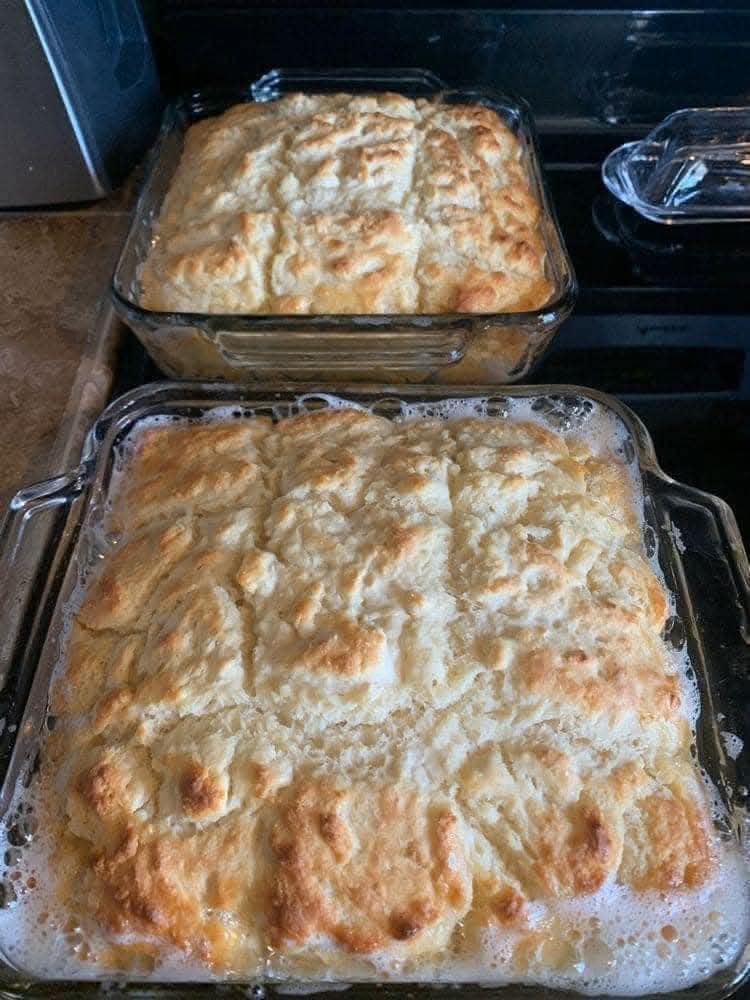
    There are biscuits that are good, and then there are Butter Swirl Biscuits – the kind that make you close your eyes after the first bite and say “oh my.” Imagine a tall, tender, golden biscuit with visible ribbons of butter running through every layer. Each swirl is a pocket of rich, savory flavor that melts on your tongue. These are not your everyday drop biscuits. These are the biscuits you serve when you want to impress – a Sunday morning brunch, a holiday dinner, or just because you deserve something extraordinary. The technique is simple: you roll out the dough, spread softened butter over the surface, then fold and roll to create those signature swirls. The result is a biscuit that is flaky, buttery, and absolutely unforgettable. If you are searching for a butter swirl biscuits recipe that will earn you rave reviews, this is the one.

    Whether you need a showstopping side for fried chicken, a base for breakfast sandwiches, or simply a warm biscuit to slather with jam, these butter swirl biscuits deliver. They are made from scratch with simple ingredients, come together in under an hour, and freeze beautifully. This homemade flaky butter biscuits recipe will become a family tradition.

    In this complete guide, you will learn the master recipe for butter swirl biscuits, including pro tips for achieving those perfect buttery layers, delicious variations (add cheese, herbs, or garlic), storage and freezing instructions, and why the swirl technique transforms ordinary biscuits into something extraordinary. Let’s preheat that oven.

    Why Butter Swirl Biscuits Are a Cut Above

    Traditional biscuits are made by cutting cold butter into flour, creating pockets of fat that melt during baking and leave behind flaky layers. Butter swirl biscuits take this a step further. After the initial dough is made, you roll it out, spread softened butter over the surface, then fold and roll again. This creates distinct, visible swirls of butter that run through the biscuit. The result is an even flakier, more tender, and more flavorful biscuit. The butter melts into the dough as it bakes, creating steam that pushes the layers apart. This is the same technique used in laminating dough for croissants – simplified for biscuits. This is a layered butter biscuit recipe that delivers bakery‑quality results at home.

    Here is why you will love it:

    • Incredibly flaky and tender – Visible layers like a croissant.
    • Rich, buttery flavor in every bite – The swirl technique maximizes butter distribution.
    • Simple ingredients – Flour, butter, buttermilk, baking powder, salt, sugar.
    • No special equipment – Just a rolling pin and a biscuit cutter.
    • Freezer‑friendly – Make ahead and bake fresh.
    • Customizable – Add cheese, herbs, or garlic.
    • Perfect for breakfast, dinner, or any meal – Biscuits are always welcome.

    Once you try these homemade swirl biscuits, you will never go back to plain drop biscuits.

    The Complete Butter Swirl Biscuits Recipe

    This recipe makes 8‑10 large biscuits (using a 3‑inch cutter). It can easily be doubled.

    Ingredients – For the Biscuit Dough:

    • 2 ½ cups (300g) all‑purpose flour (plus more for dusting)
    • 1 tablespoon baking powder
    • 1 teaspoon salt
    • 1 tablespoon granulated sugar (optional, for a touch of sweetness)
    • ½ cup (113g, 1 stick) very cold unsalted butter, cut into small cubes (for the initial dough)
    • 1 cup (240ml) cold buttermilk (plus 2 tablespoons for brushing)

    Ingredients – For the Butter Swirl:

    • 4 tablespoons (56g) unsalted butter, softened to room temperature (not melted)

    Equipment:

    • Large mixing bowl
    • Pastry blender or two forks
    • Rolling pin
    • 3‑inch biscuit cutter (or a drinking glass)
    • Baking sheet
    • Parchment paper
    • Pastry brush

    Step‑by‑Step Instructions

    Step 1 – Preheat and Prepare

    Preheat your oven to 425°F (220°C). Line a baking sheet with parchment paper.

    Step 2 – Make the Base Dough

    In a large bowl, whisk together the flour, baking powder, salt, and sugar. Add the cold butter cubes. Using a pastry blender or two forks, cut the butter into the flour until the mixture resembles coarse crumbs with pea‑sized pieces of butter. The butter should be very cold – you want solid pieces that will create flaky layers.

    Step 3 – Add the Buttermilk

    Pour the cold buttermilk into the flour mixture. Stir with a fork until the dough just comes together. It will be shaggy and sticky. Do not overmix.

    Step 4 – Roll and Fold (The Swirl Technique)

    Turn the dough out onto a well‑floured surface. Pat it into a rough rectangle about ½‑inch thick. Using a rolling pin, roll the dough into a rectangle about 10×14 inches and ¼‑inch thick. Spread the softened 4 tablespoons of butter evenly over the surface of the dough, leaving a ½‑inch border on one long edge. Starting from the opposite long edge, roll the dough tightly into a log (like a cinnamon roll).

    Step 5 – Cut and Shape

    Using a sharp knife, cut the log into 1‑inch thick slices. You should get 8‑10 slices. Place each slice cut‑side down on the floured surface and gently press down to flatten slightly, creating a ¾‑inch thick round. Do not twist the cutter – press straight down. (If you have leftover dough ends, gently reform them into a biscuit shape – they may not be as layered but will still taste great.)

    Step 6 – Arrange and Brush

    Place the biscuits on the prepared baking sheet, spacing them about 2 inches apart. Brush the tops with a little buttermilk or melted butter for a golden crust.

    Step 7 – Bake

    Bake for 12‑15 minutes, until the biscuits are golden brown on top and have risen tall. Rotate the baking sheet halfway through for even browning.

    Step 8 – Serve

    Let the biscuits cool on the baking sheet for 5 minutes, then transfer to a wire rack. Serve warm with butter, jam, honey, or gravy.

    Pro Tips for the Perfect Butter Swirl Biscuits

    Follow these expert tips for perfect layered butter biscuits every time:

    • Keep everything cold – Cold butter and cold buttermilk are essential for flaky layers. If your kitchen is warm, chill the dough for 10 minutes before rolling.
    • Do not overwork the dough – Overmixing develops gluten, which makes tough biscuits. Mix just until the dough comes together.
    • Use a sharp cutter and do not twist – Twisting seals the edges and prevents the biscuits from rising fully. Press straight down and pull up.
    • Roll the dough evenly – A uniform rectangle ensures even swirls and consistent baking.
    • Use softened (not melted) butter for the swirl – Melted butter will soak into the dough and disappear. Softened butter stays in distinct layers.
    • Bake at a high temperature – 425°F creates steam that pushes the layers apart, giving you tall, flaky biscuits.
    • Freeze unbaked biscuits for later – Place shaped biscuits on a baking sheet and freeze until solid, then transfer to a bag. Bake from frozen, adding 2‑3 minutes to the baking time.

    Delicious Variations (Same Swirl Method)

    Once you master the classic butter swirl biscuits, try these fun twists. These biscuit variations will keep your breakfast game strong.

    1. Cheddar and Chive Butter Swirl Biscuits

    Sprinkle ¾ cup of finely shredded sharp cheddar cheese and 2 tablespoons of fresh chopped chives over the butter before rolling. The cheese melts into golden pockets. This is a cheese swirl biscuit perfect for savory meals.

    2. Garlic Herb Butter Swirl Biscuits

    Mix 2 cloves of minced garlic and 1 tablespoon of fresh chopped parsley into the softened butter before spreading. The garlic butter creates savory, aromatic swirls. Serve with pasta or soup.

    3. Cinnamon Sugar Swirl Biscuits

    After spreading the butter, sprinkle ¼ cup of brown sugar mixed with 1 tablespoon of cinnamon over the surface. Roll and cut as directed. These are sweet, breakfast‑style biscuits. Drizzle with a simple powdered sugar glaze.

    4. Everything Bagel Swirl Biscuits

    After brushing the tops with buttermilk, sprinkle with everything bagel seasoning. The garlic, onion, poppy, and sesame seeds add incredible crunch and flavor.

    5. Jalapeño Cheddar Swirl Biscuits

    Add ½ cup of finely chopped pickled jalapeños (drained) and ¾ cup of shredded pepper jack cheese to the butter layer. The spicy, cheesy combination is perfect for chili or gumbo.

    6. Gluten‑Free Butter Swirl Biscuits

    Use a gluten‑free 1:1 flour blend (like King Arthur). Add ¼ teaspoon of xanthan gum if your blend does not already contain it. The dough will be more fragile, but the swirl technique still works.

    Use vegan butter (cold for the dough, softened for the swirl) and plant‑based buttermilk (add 1 tablespoon of vinegar to 1 cup of unsweetened almond milk). The results are surprisingly flaky.

    Mix 2 tablespoons of honey into the softened butter before spreading. The honey caramelizes slightly during baking, adding a touch of sweetness.

    How to Store, Freeze, and Reheat

    Room Temperature

    Store baked biscuits in an airtight container for up to 3 days. Reheat in a 300°F oven for 5‑7 minutes to restore crispness.

    Refrigerator

    Store in an airtight container for up to 1 week. Reheat as above.

    Freezer (Unbaked)

    Arrange shaped biscuits on a parchment‑lined baking sheet and freeze until solid (about 2 hours). Transfer to a freezer‑safe bag. Freeze for up to 3 months. Bake frozen at 425°F for 15‑18 minutes (add 3‑5 minutes to baking time). Do not thaw.

    Freezer (Baked)

    Cool biscuits completely, wrap tightly in plastic wrap and foil, and freeze for up to 2 months. Thaw at room temperature, then reheat in a 300°F oven for 5‑10 minutes.

    Make Ahead for Breakfast

    Assemble the biscuits, cut them, and place them on a parchment‑lined baking sheet. Cover with plastic wrap and refrigerate overnight. Bake fresh in the morning – add 2‑3 minutes to the baking time.

    What to Serve with Butter Swirl Biscuits

    • Butter and honey – Simple perfection.
    • Sausage gravy – Classic Southern breakfast.
    • Fried chicken – The ultimate comfort meal.
    • Jam or preserves – Raspberry, strawberry, or blackberry.
    • Eggs and bacon – A hearty breakfast.
    • Soup or chili – For dipping.
    • Ham and cheese – Make into breakfast sandwiches.

    Frequently Asked Questions

    Why are my biscuits not flaky?

    Lack of flakiness usually means the butter was not cold enough, the dough was overworked, or the oven temperature was too low. Use very cold butter, handle the dough as little as possible, and bake at 425°F. The swirl technique helps, but these factors still matter.

    Can I use salted butter?

    Yes. If using salted butter, reduce the added salt to ½ teaspoon. Unsalted butter gives you more control over the flavor.

    Why did my biscuits spread instead of rise tall?

    Spreading happens when the dough is too warm when it goes into the oven. Chill the shaped biscuits for 10‑15 minutes before baking if your kitchen is warm. Also, make sure your baking powder is fresh.

    Can I make these without buttermilk?

    Yes. Mix 1 cup of regular milk with 1 tablespoon of lemon juice or white vinegar. Let sit for 5 minutes. It will thicken slightly and work as a buttermilk substitute.

    How many calories are in a butter swirl biscuit?

    One biscuit contains approximately 280‑350 calories, 16g fat, 34g carbohydrates, and 6g protein. This is a rich, indulgent biscuit – perfect for special occasions.

    Can I use a food processor to cut in the butter?

    Yes. Pulse the dry ingredients with the cold butter in a food processor until the mixture resembles coarse meal. Transfer to a bowl and stir in the buttermilk by hand. Do not over‑process, or the butter will melt.

    The Art of Laminated Biscuits

    The butter swirl technique is a simplified version of lamination – the process used to make croissants and puff pastry. By rolling and folding the dough with a layer of butter, you create alternating layers of dough and fat. When baked, the water in the butter turns to steam, pushing the layers apart and creating the flaky, airy texture. This recipe takes that technique and makes it accessible for home bakers. The result is a biscuit that is impressive enough for company but easy enough for a weekend morning. This homemade layered biscuit recipe is a true kitchen treasure.

    Why You Should Make These Butter Swirl Biscuits This Weekend

    You probably have flour, butter, and buttermilk in your kitchen right now. Baking powder and salt are pantry staples. In under an hour, you can create biscuits that are flaky, buttery, and swirled with visible layers of butter. They are perfect for:

    • Sunday morning breakfast with eggs and bacon – The ultimate treat.
    • Thanksgiving or Christmas dinner – Alongside turkey and gravy.
    • Brunches with friends – Make ahead and bake fresh.
    • Freezer stocking for busy mornings – Bake from frozen for fresh biscuits anytime.
    • When you want to impress without stress – The swirls look fancy, but the technique is simple.

    The first time I made butter swirl biscuits, my family gathered around the oven, watching through the glass as they rose tall and golden. The swirls of butter were visible even before we pulled them apart. One bite, and everyone fell silent – then came the requests for the recipe. Now these biscuits are a staple at every holiday meal and lazy Sunday breakfast. They never last more than an hour.

    So cut that cold butter, roll that dough, and get ready to bake the most flaky, buttery, beautiful butter swirl biscuits of your life.

    Final Thoughts

    Butter Swirl Biscuits are proof that a few extra minutes of technique can transform a simple recipe into something extraordinary. The visible swirls of butter, the tender flaky layers, the rich, savory flavor – these are biscuits that people remember. Whether you keep them classic or experiment with cheese, herbs, or cinnamon sugar, these biscuits will earn a permanent spot in your baking rotation. This truly is the best flaky butter biscuit recipe for any occasion.

    So go ahead – make them this weekend. Pull them apart warm, watch the steam rise, and slather them with butter and jam. Enjoy every flaky, buttery, glorious bite.


    Have you made butter swirl biscuits? What’s your favorite twist – cheddar and chive, garlic herb, or cinnamon sugar? Share your photos and tips in the comments below. And if this recipe became a family tradition, save it for later or send it to a friend who loves homemade bread.

  • Sweetened Condensed Milk Cake – Moist, Dense, and Irresistibly Rich

    Sweetened Condensed Milk Cake – Moist, Dense, and Irresistibly Rich

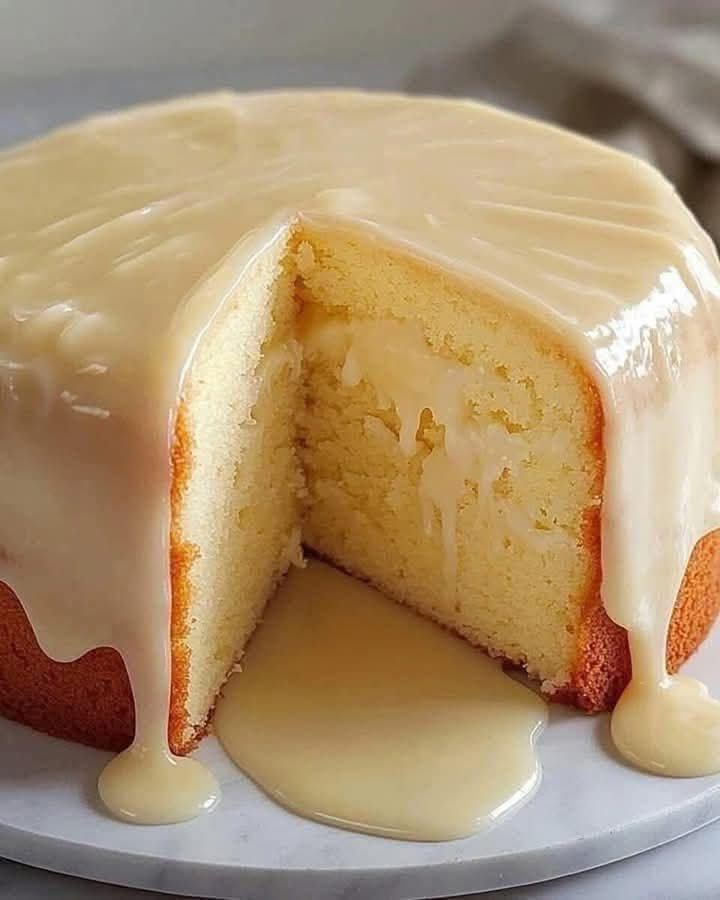
    There are cakes that are light and airy, and then there is Sweetened Condensed Milk Cake – the kind that is dense, velvety, and almost fudge‑like in its richness. Imagine a golden, caramel‑tinged cake with a tight, tender crumb that melts on your tongue. Each bite is sweet, buttery, and deeply satisfying, with a hint of vanilla and a whisper of nostalgia. This is the cake your grandmother might have made when she wanted something special without a lot of fuss. The secret is a whole can of sweetened condensed milk, which provides both sweetness and moisture, creating a cake that stays fresh for days and tastes even better the next morning with a cup of coffee. If you are searching for a sweetened condensed milk cake recipe that is simple, foolproof, and absolutely delicious, this is the one.

    Whether you need a dessert for a family dinner, a bake sale, a birthday celebration, or simply a snack to enjoy with tea, this cake delivers. It comes together in one bowl, requires no fancy techniques, and is endlessly customizable. This old fashioned condensed milk cake will become a staple in your kitchen.

    In this complete guide, you will learn the master recipe for sweetened condensed milk cake, including pro tips for the perfect texture, delicious variations (add chocolate, coconut, or a citrus glaze), storage and freezing instructions, and why this humble ingredient creates such a magical result. Let’s preheat that oven.

    Why Sweetened Condensed Milk Cake Is a Timeless Treasure

    Sweetened condensed milk was invented in the 19th century as a way to preserve milk without refrigeration. Bakers quickly discovered that its thick, sweet, caramelized flavor could transform simple cakes into something extraordinary. Unlike regular milk, condensed milk adds richness, tenderness, and a subtle caramel note to baked goods. This cake is a perfect example: it is denser than a traditional butter cake, with a tight crumb that almost resembles a pound cake. It stays moist for days, making it ideal for make‑ahead desserts, potlucks, and gift giving. This is a tres leches style cake without the three milks – just pure condensed milk magic.

    Here is why you will love it:

    • Only 10 minutes of prep – Then the oven does the work.
    • Uses a full can of sweetened condensed milk – No waste, maximum flavor.
    • Incredibly moist and tender – Stays fresh for days.
    • One bowl, no mixer needed – Simple and easy.
    • Customizable – Add chocolate chips, coconut, or a citrus glaze.
    • Freezes beautifully – Make ahead and enjoy later.
    • Perfect for any occasion – From casual snacks to holiday tables.

    Once you try this easy condensed milk loaf cake, you will never look at a can of sweetened condensed milk the same way.

    The Complete Sweetened Condensed Milk Cake Recipe

    This recipe makes one 9×5 inch loaf cake or one 8×8 inch square cake. It can easily be doubled for a 9×13 pan.

    Ingredients:

    • 1 can (14 oz / 397g) sweetened condensed milk
    • ½ cup (113g, 1 stick) unsalted butter, melted and slightly cooled
    • 2 large eggs, room temperature
    • 1 teaspoon vanilla extract
    • 1 ½ cups (190g) all‑purpose flour
    • 1 ½ teaspoons baking powder
    • ¼ teaspoon salt
    • Optional: ½ cup (90g) chocolate chips, shredded coconut, or chopped nuts

    Equipment:

    • 9×5 inch loaf pan or 8×8 inch square pan
    • Parchment paper or non‑stick spray
    • Mixing bowl
    • Whisk or spatula
    • Cooling rack

    Step‑by‑Step Instructions

    Step 1 – Preheat and Prepare the Pan

    Preheat your oven to 350°F (175°C). Grease a 9×5 inch loaf pan with butter or non‑stick spray, then line the bottom with parchment paper (leaving an overhang on two sides for easy removal). Set aside.

    Step 2 – Combine the Wet Ingredients

    In a large mixing bowl, whisk together the sweetened condensed milk, melted butter, eggs, and vanilla extract until smooth and well combined. The mixture will be thick and glossy.

    Step 3 – Add the Dry Ingredients

    In a separate bowl, whisk together the flour, baking powder, and salt. Gradually add the dry ingredients to the wet mixture, stirring with a spatula just until combined. Do not overmix – a few small lumps are fine. If you are adding chocolate chips, coconut, or nuts, fold them in now.

    Step 4 – Pour and Bake

    Pour the batter into the prepared pan and smooth the top. Bake for 35‑40 minutes (loaf pan) or 30‑35 minutes (square pan), until a toothpick inserted in the center comes out clean or with a few moist crumbs. The cake should be golden brown and spring back when lightly pressed.

    Step 5 – Cool

    Let the cake cool in the pan for 15 minutes, then transfer to a wire rack to cool completely. This cake is delicious warm, but it is best when completely cooled – the texture becomes dense and fudgy.

    Step 6 – Serve

    Slice and serve plain, dusted with powdered sugar, or with a drizzle of caramel or chocolate sauce. This rich condensed milk cake is wonderful with coffee or tea.

    Pro Tips for the Best Sweetened Condensed Milk Cake

    Follow these expert tips for a perfectly moist condensed milk cake every time:

    • Use room temperature eggs – Cold eggs can cause the batter to seize. Leave them out for 30 minutes before starting.
    • Do not overmix the batter – Overmixing develops gluten, which can make the cake tough. Mix just until the flour disappears.
    • Check for doneness early – Ovens vary. Start checking the cake at 30 minutes. A toothpick should come out clean or with a few moist crumbs – not wet batter.
    • Let the cake cool completely before slicing – The crumb sets as it cools. Warm cake can be crumbly.
    • Store properly – This cake stays moist at room temperature for up to 5 days. Do not refrigerate unless necessary, as it can dry out.
    • Double the recipe for a crowd – A 9×13 pan works perfectly. Bake at 350°F for 40‑45 minutes.

    Delicious Variations (Same Condensed Milk Base)

    Once you master the classic sweetened condensed milk cake, try these fun twists. These condensed milk cake variations will keep your baking exciting.

    1. Chocolate Sweetened Condensed Milk Cake

    Add ¼ cup of unsweetened cocoa powder to the dry ingredients (reduce flour by ¼ cup). Fold in ½ cup of chocolate chips. The chocolate version is rich and decadent.

    2. Coconut Condensed Milk Cake

    Add ½ cup of sweetened shredded coconut to the batter. Sprinkle another ¼ cup of coconut on top before baking. The coconut toasts to golden perfection.

    3. Lemon Condensed Milk Cake

    Add 2 tablespoons of fresh lemon zest and 2 tablespoons of lemon juice (reduce the vanilla to ½ teaspoon). The bright citrus cuts through the sweetness beautifully.

    4. Orange Creamsicle Cake

    Add 1 tablespoon of orange zest and ¼ cup of fresh orange juice. Add ½ cup of white chocolate chips. This tastes like a creamsicle.

    5. Marble Condensed Milk Cake

    Prepare half the batter as plain vanilla. To the other half, add 2 tablespoons of cocoa powder and 2 tablespoons of milk. Swirl the two batters together in the pan for a marble effect.

    Use a 1:1 gluten‑free flour blend (like King Arthur). Add ¼ teaspoon of xanthan gum if your blend does not already contain it. The texture will be slightly more delicate but still delicious.

    7. Vegan Condensed Milk Cake

    Use a plant‑based sweetened condensed milk (like Nature’s Charm). Use vegan butter and a flax egg (1 tbsp ground flax + 3 tbsp water). The result is surprisingly close to the original.

    Mix 2 tablespoons of brown sugar with 1 tablespoon of cinnamon. After pouring the batter into the pan, sprinkle the cinnamon sugar over the top and swirl with a knife.

    How to Store, Freeze, and Make Ahead

    Room Temperature

    Store the cake in an airtight container at room temperature for up to 5 days. The high sugar content keeps it moist.

    Refrigerator

    If you live in a very warm climate or if the cake has a dairy‑based frosting, refrigerate for up to 1 week. Bring to room temperature before serving.

    Freezer (Whole Cake)

    Wrap the cooled cake tightly in plastic wrap, then aluminum foil. Freeze for up to 3 months. Thaw at room temperature for 2‑3 hours.

    Freezer (Slices)

    Wrap individual slices in plastic wrap and place in a freezer bag. Thaw slices at room temperature for 20 minutes.

    Make Ahead for a Party

    Bake the cake 1‑2 days ahead, wrap tightly, and store at room temperature. This cake actually improves after a day as the flavors meld.

    What to Serve with Sweetened Condensed Milk Cake

    • Fresh berries – Raspberries, strawberries, or blueberries.
    • Whipped cream – Light and airy contrast.
    • A dusting of powdered sugar – Simple and elegant.
    • Caramel sauce or chocolate ganache – For extra indulgence.
    • A cup of hot coffee or strong black tea – The perfect pairing.
    • Vanilla ice cream – Turn a slice into a sundae.

    Frequently Asked Questions

    Can I use low‑fat or fat‑free sweetened condensed milk?

    You can, but the cake will be less rich and tender. Full‑fat sweetened condensed milk gives the best texture and flavor. If using low‑fat, add an extra 2 tablespoons of melted butter to compensate.

    Why is my cake dense and heavy?

    Sweetened condensed milk cake is supposed to be denser than a classic butter cake – it is closer to a pound cake in texture. However, if it is overly heavy, you may have overmixed the batter or used too much flour. Measure flour correctly (spoon and level) and mix just until combined.

    Can I use this batter for cupcakes?

    Yes. Fill lined muffin cups about ⅔ full. Bake at 350°F for 18‑22 minutes. This makes about 12‑14 cupcakes. Frost with buttercream or cream cheese frosting.

    How many calories are in a slice of sweetened condensed milk cake?

    One slice (1/10 of the loaf) contains approximately 320‑400 calories, 15g fat, 48g carbohydrates, and 7g protein. This is a rich, satisfying dessert – perfect for special occasions.

    Can I add a glaze or frosting?

    Absolutely. A simple powdered sugar glaze (1 cup powdered sugar + 2 tablespoons milk + ½ teaspoon vanilla) drizzled over the cooled cake is lovely. Cream cheese frosting also pairs beautifully.

    Can I make this in a bundt pan?

    Yes. Use a 10‑cup bundt pan. Double the recipe. Bake at 325°F for 45‑55 minutes, until a toothpick comes out clean. Grease the bundt pan very well.

    The History of Sweetened Condensed Milk in Baking

    Sweetened condensed milk was invented by Gail Borden in 1856 as a way to preserve milk without refrigeration. It became a staple in American kitchens, especially in the South, where fresh milk was not always available. Bakers discovered that condensed milk added moisture, sweetness, and a unique caramel flavor to cakes, pies, and candies. The most famous condensed milk dessert is probably key lime pie, but this simple cake is a lesser‑known gem. It is sometimes called “cajeta cake” or “leche cake” and is beloved in Latin American and Southern baking traditions. This vintage condensed milk dessert deserves a place in every baker’s repertoire.

    Why You Should Make This Sweetened Condensed Milk Cake This Week

    You probably have a can of sweetened condensed milk in your pantry (or can buy one for a few dollars). Butter, eggs, flour, and baking powder are basic staples. In under 45 minutes, you can create a cake that is moist, dense, and deeply satisfying. It is perfect for:

    • Everyday dessert with coffee or tea – A simple pleasure.
    • Potlucks and bake sales – Travels well, serves many.
    • Last‑minute dinner parties – Impressive without stress.
    • Gifts for neighbors and teachers – Wrap in parchment and tie with twine.
    • When you need a taste of nostalgia – Reminds you of grandma’s kitchen.

    The first time I made this sweetened condensed milk cake, I was skeptical that something so simple could be so good. But when I pulled the golden loaf from the oven, the smell was intoxicating. The first slice was dense, velvety, and perfectly sweet. My family devoured it in one sitting. Now I always keep a can of sweetened condensed milk in the pantry for emergency cake cravings.

    So open that can, whisk that batter, and get ready to bake the most delicious, moist, sweetened condensed milk cake of your life.

    Final Thoughts

    Sweetened Condensed Milk Cake proves that you do not need a dozen exotic ingredients to create something extraordinary. A single can of condensed milk, combined with basic pantry staples, transforms into a cake that is moist, dense, and deeply satisfying. Whether you keep the classic version or experiment with chocolate, coconut, or citrus, this cake will earn a permanent spot in your recipe collection. This truly is the best easy condensed milk cake for any occasion.

    So go ahead – make it today. Slice it, share it, and enjoy every sweet, buttery, tender bite.


    Have you made sweetened condensed milk cake? What’s your favorite variation – chocolate, coconut, or a citrus glaze? Share your photos and tips in the comments below. And if this recipe became a new favorite, save it for later or send it to a friend who loves simple, delicious baking.

  • Amish Hamburger Casserole – A Hearty, Old-Fashioned Classic That Fills Your Home With Comfort

    Amish Hamburger Casserole – A Hearty, Old-Fashioned Classic That Fills Your Home With Comfort

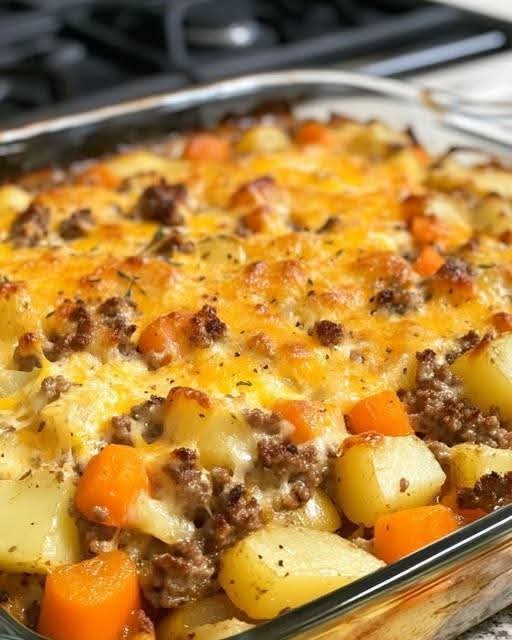
    There are casseroles that are merely convenient, and then there is Amish Hamburger Casserole – the kind of rustic, stick-to-your-ribs meal that tastes like generations of farmhouse wisdom in every single bite. Imagine tender potatoes, seasoned ground beef, sweet onions, and a velvety, creamy tomato sauce, all baked together under a golden blanket of melted cheddar cheese. This is not fussy food. This is the food that appears on church supper tables after Sunday services, the food that neighbors bring to new parents, the food that disappears before you have even made it down the potluck line. If you are searching for a hearty Amish hamburger casserole recipe that is filling, flavorful, and endlessly flexible, you have found it.

    Whether you need a budget‑friendly weeknight dinner, a slow cooker meal for busy days, or a vintage dish to bring to a family reunion, this casserole delivers. It is naturally customizable – from the classic beef‑and‑potato layered bake known as “Shipwreck Casserole” to the creamy noodle version sometimes called Yumasetti. This old-fashioned ground beef casserole will become a staple in your kitchen.

    In this complete guide, you will learn the authentic Amish hamburger casserole traditions, including the famous layered “Shipwreck” style, pro tips for the perfect texture, delicious variations (add mushrooms, swap in rice, or make it cheesy), storage and freezing instructions, and why this simple, humble dish has been loved for generations. Let’s preheat that oven.

    What Makes Amish Hamburger Casserole So Special?

    Amish cooking is the original farm-to-table comfort food. Known for simple, hearty meals made with homegrown ingredients, these casseroles are the kind of food that feels like a warm hug after a long day. The beauty of Amish hamburger casserole lies in its flexibility. You can make it with potatoes or noodles, with a tomato‑based sauce or a creamy mushroom sauce, baked in the oven or simmered in a slow cooker. The constants are affordable ingredients (ground beef, potatoes or pasta, onions, and cheese) and a cooking method that lets the flavors meld into something far greater than the sum of their parts. This is a farmhouse comfort food that has stood the test of time.

    Here is why you will love it:

    • Only 10 minutes of prep – Then the oven does the work.
    • Budget‑friendly – Ground beef, potatoes, and pantry staples.
    • Incredibly hearty and filling – A complete meal in one dish.
    • Customizable – Make it with noodles, add vegetables, or use turkey.
    • Great for meal prep and freezing – Tastes even better the next day.
    • Kid‑approved and adult‑loved – Pure comfort.
    • Naturally gluten‑free adaptable (omit flour or use cornstarch).

    Once you try this Amish ground beef and potato casserole, you will understand why it has been a family secret for decades.

    The Complete Amish Hamburger Casserole Recipe (Shipwreck Style)

    This recipe makes one 9×13 inch casserole (about 8 servings). It can easily be doubled.

    Ingredients:

    • 1 lb (450g) lean ground beef
    • 1 medium yellow onion, diced
    • 3 medium russet potatoes (about 1.5 lbs), thinly sliced (¼‑inch thick)
    • 2 carrots, sliced (optional, for traditional farmhouse version)
    • 2 celery stalks, chopped (optional)
    • 2 cloves garlic, minced
    • 1 can (14.5 oz) diced tomatoes, with juices
    • 1 can (10.75 oz) condensed tomato soup (or cream of mushroom soup)
    • 1 cup (240ml) beef broth (or water)
    • 1 teaspoon salt
    • ½ teaspoon black pepper
    • 1 teaspoon paprika
    • ½ teaspoon dried thyme or oregano
    • 1 cup (120g) shredded cheddar cheese (optional, for topping)

    Equipment:

    • 9×13 inch baking dish
    • Large skillet
    • Cutting board and knife
    • Mixing bowl
    • Aluminum foil

    Step‑by‑Step Instructions

    Step 1 – Preheat and Prepare

    Preheat your oven to 350°F (175°C). Grease a 9×13 inch baking dish with butter or non‑stick spray. Set aside.

    Step 2 – Brown the Ground Beef

    In a large skillet over medium‑high heat, cook the ground beef, breaking it up with a spoon, until browned and no longer pink, about 5‑7 minutes. Add the diced onion, garlic, carrots, and celery (if using). Cook for 3‑4 minutes until the vegetables soften. Drain any excess fat.

    Step 3 – Make the Sauce

    In a medium bowl, whisk together the diced tomatoes (with juice), tomato soup, beef broth, salt, pepper, paprika, and thyme. Set aside.

    Step 4 – Layer the Casserole

    Spread half of the sliced potatoes in the bottom of the prepared baking dish. Top with half of the ground beef mixture. Repeat with the remaining potatoes and the rest of the beef mixture. Pour the sauce evenly over the top. Gently shake the dish to let the liquid settle between the layers. Cover tightly with aluminum foil.

    Step 5 – Bake

    Bake covered for 1 hour. Remove the foil, sprinkle the shredded cheddar cheese over the top, and bake uncovered for an additional 15‑20 minutes, until the cheese is melted and bubbly and the potatoes are fork‑tender.

    Step 6 – Rest and Serve

    Let the casserole rest for 10 minutes before serving. This allows the layers to set. Serve hot, with crusty bread or a side salad.

    Pro Tips for the Best Amish Hamburger Casserole

    Follow these expert tips for a perfect farmhouse casserole every time:

    • Slice potatoes uniformly thin – Use a mandoline or a sharp knife. Even slices ensure they cook through at the same time.
    • Do not skip covering with foil – The covered bake steams the potatoes until tender. Uncover too soon and they may stay crunchy.
    • Use leftover roast beef or cooked ground beef from the freezer – This casserole is forgiving and works with pre‑cooked meat.
    • Add a crunchy topping – For extra texture, mix ½ cup of breadcrumbs with 2 tablespoons of melted butter and sprinkle over the cheese during the last 10 minutes.
    • Make it creamy – Replace the tomato soup with cream of mushroom soup and add ½ cup of sour cream to the sauce.
    • Let it rest before serving – The casserole will be very hot. Resting helps it set and makes serving easier.

    Delicious Variations (Same Amish Spirit)

    1. Amish Yumasetti (Creamy Noodle Casserole)

    Replace the potatoes with 3 cups of cooked egg noodles. Use cream of mushroom soup instead of tomato soup. Add ½ cup of sour cream and 1 cup of frozen peas. Top with shredded cheddar and crushed potato chips.

    2. Slow Cooker Amish Hamburger Casserole

    Brown the beef and onions, then layer in a slow cooker: potatoes, beef, sauce. Cook on LOW for 6‑7 hours or HIGH for 3‑4 hours. Top with cheese during the last 30 minutes.

    3. Cheesy Amish Hamburger Casserole

    Add 1 cup of shredded cheddar to the sauce and sprinkle another cup on top. Use a blend of cheddar and mozzarella for extra gooeyness.

    4. Tex‑Mex Amish Casserole

    Add 1 can of diced green chilies, 1 teaspoon of cumin, and ½ teaspoon of chili powder. Use pepper jack cheese instead of cheddar.

    5. Low‑Carb / Keto Amish Casserole

    Replace potatoes with 4 cups of cauliflower florets or sliced turnips. Use a keto‑friendly tomato sauce (no added sugar).

    6. Amish Breakfast Casserole

    Layer potatoes, cooked breakfast sausage instead of ground beef, and pour a mixture of 8 beaten eggs with ½ cup of milk over the top. Bake covered for 45 minutes, then top with cheese.

    How to Store, Freeze, and Reheat

    Refrigerator

    Store leftovers in an airtight container for up to 4 days. Reheat in a 350°F oven covered for 15‑20 minutes or microwave individual portions.

    Freezer (Baked)

    Cool completely, then wrap the dish tightly with plastic wrap and foil. Freeze for up to 2 months. Thaw overnight in the refrigerator, then reheat covered at 350°F for 30‑40 minutes.

    Freezer (Unbaked)

    Assemble the casserole (without cheese). Cover and freeze for up to 2 months. Thaw overnight, add cheese, and bake as directed, adding 10‑15 minutes.

    What to Serve with Amish Hamburger Casserole

    • Simple green salad with vinaigrette – Cuts through the richness.
    • Buttered bread or dinner rolls – For sopping up the sauce.
    • Steamed green beans or roasted broccoli – Adds color and nutrients.
    • A cold glass of milk or iced tea – Classic pairing.

    Frequently Asked Questions

    Can I use raw ground beef without browning?

    You can, but browning adds significant flavor. If you skip browning, the casserole will be less savory and may have a greasy layer. Brown the meat – it is worth the few extra minutes.

    Why is it called “Shipwreck Casserole”?

    Some Amish communities call this layered beef‑and‑potato casserole “Shipwreck” because the ingredients are “shipwrecked” or scattered in layers rather than mixed. Others call it “John Wayne Casserole.” Whatever the name, it is delicious.

    Can I use sweet potatoes instead of russets?

    Yes. Sweet potatoes add a subtle sweetness that pairs well with the tomato sauce. Slice them similarly and bake as directed.

    How many calories are in a serving?

    One serving (1/8 of the casserole) contains approximately 380‑450 calories, 18g fat, 35g carbohydrates, and 28g protein. This is a hearty, nourishing meal – perfect for active families.

    Can I make this dairy‑free?

    Yes. Omit the cheese or use a dairy‑free shred. Use a dairy‑free soup (or make a roux with olive oil and flour).

    The Amish Tradition of Simple, Hearty Cooking

    Amish communities value simplicity, frugality, and family. Their cooking reflects these values: meals are made from scratch using homegrown vegetables, farm‑raised meat, and basic pantry staples. Casseroles are a natural fit because they can be prepared ahead, use up leftovers, and feed large families. This hamburger casserole, in its many forms, is a beloved dish at church potlucks (known as “dinner on the grounds”), after weddings, and on cold winter nights. It is food that nourishes both body and soul.

    Why You Should Make This Amish Hamburger Casserole This Week

    You probably have ground beef, potatoes, onions, and canned tomatoes in your kitchen right now. In about 20 minutes of active prep, you can create a dinner that feels like a farmhouse Sunday supper. It is perfect for:

    • Busy weeknights – Assemble ahead and bake when ready.
    • Meal prep for the week – A big pan feeds a crowd or provides leftovers.
    • Cold weather comfort – Warm, hearty, and satisfying.
    • Family gatherings and potlucks – Always a hit.
    • When you need a taste of nostalgia – Grandma’s kitchen in a dish.

    The first time I made this Amish hamburger casserole, the smell of browning beef and sweet onions filled my house. My family gathered in the kitchen, asking when dinner would be ready. When I pulled the golden, bubbly casserole from the oven, there was silence – then the sound of forks scraping against the dish. It was gone before anyone asked for seconds. Now it is my go‑to for busy winter nights.

    So slice those potatoes, brown that beef, and get ready to bake the most comforting, old‑fashioned Amish hamburger casserole of your life.

    Final Thoughts

    Amish Hamburger Casserole is proof that the simplest ingredients create the most lasting memories. Layered potatoes, seasoned ground beef, a tomato‑based sauce, and a blanket of melted cheese – humble, honest, and deeply satisfying. Whether you keep the classic shipwreck style or experiment with noodles, cream sauces, or vegetables, this casserole will earn a permanent spot in your recipe collection. This truly is the best Amish ground beef casserole for family dinners.

    So go ahead – make it tonight. Watch the smiles around the table. And enjoy every hearty, comforting, farmhouse bite.


    Have you made Amish hamburger casserole? What’s your family’s favorite variation – shipwreck, Yumasetti, or a cheesy twist? Share your photos and tips in the comments below. And if this recipe brought back a fond memory, save it for later or send it to a friend who needs a little comfort food.

  • Cherry Crumble Bars – Buttery, Fruit‑Filled, and Impossible to Resist

    Cherry Crumble Bars – Buttery, Fruit‑Filled, and Impossible to Resist

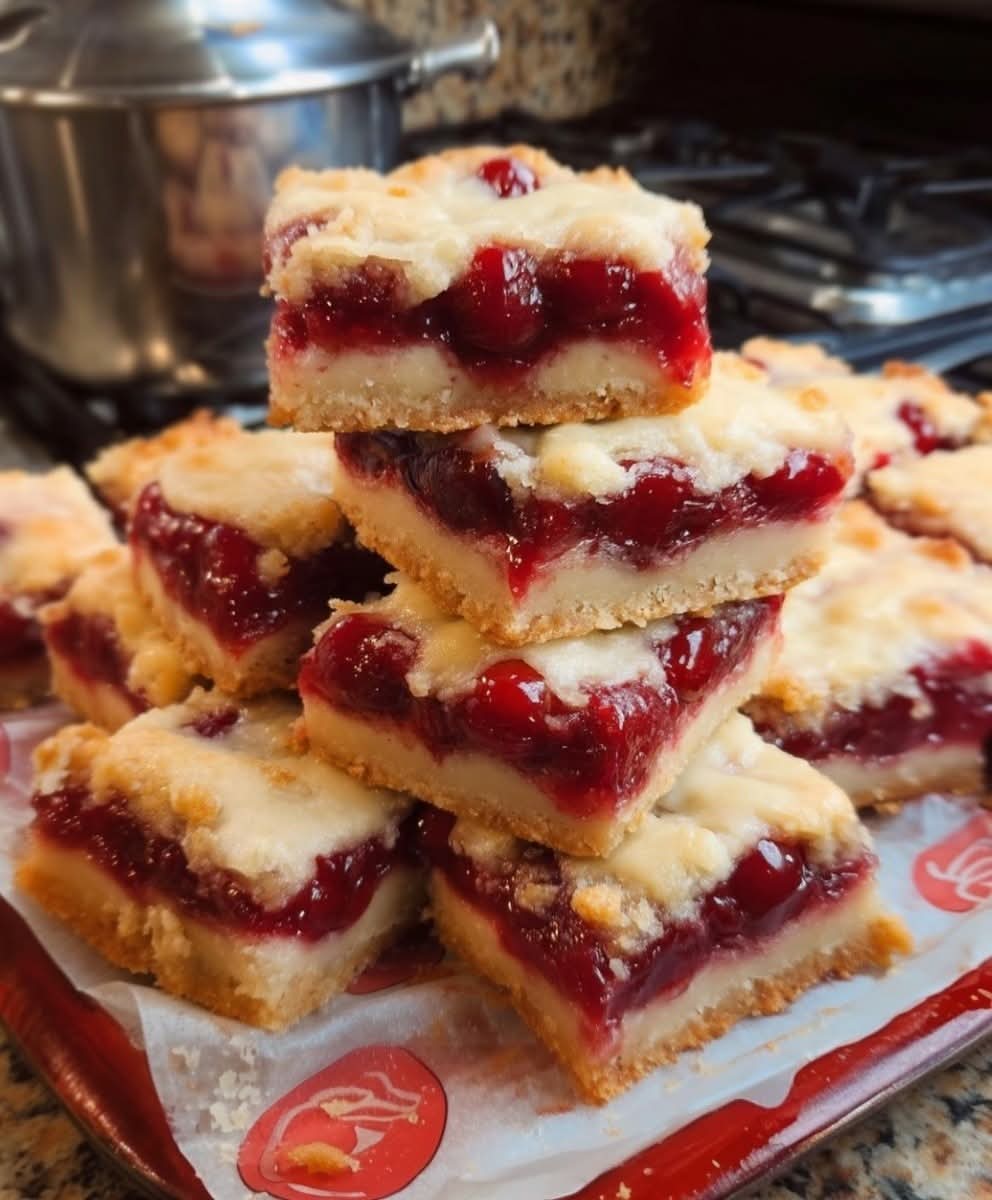
    There are bars that are good, and then there are Cherry Crumble Bars – the kind of dessert that makes people hover around the pan, waiting for you to cut the first square. Imagine a tender, buttery shortbread crust, a layer of sweet‑tart cherry filling that bubbles and jams as it bakes, and a golden, crunchy streusel topping that shatters with every bite. These bars are the perfect marriage of a fruit pie and a crumb cake, all in a portable, shareable, bake‑sale‑ready format. They are simple enough for a weeknight treat but impressive enough for holiday dessert tables. If you are searching for a cherry crumble bars recipe that delivers on flavor, texture, and ease, this is the one.

    Whether you use fresh cherries, frozen cherries, or a can of cherry pie filling, these bars come together quickly and taste like pure nostalgia. They are naturally adaptable, freezer‑friendly, and always the first to disappear. This homemade cherry streusel bars recipe will become a family favorite.

    In this complete guide, you will learn the master recipe for cherry crumble bars, including pro tips for avoiding a soggy bottom, delicious variations (add almond extract, use blueberries, or add a drizzle of glaze), storage and freezing instructions, and why this simple layered dessert is pure baking magic. Let’s preheat that oven.

    Why Cherry Crumble Bars Are a Bake Sale Legend

    Cherry crumble bars combine the best of several worlds: the buttery, shortbread‑like crust of a bar cookie, the jammy, fruity center of a pie, and the crunchy, streusel‑like topping of a coffee cake. They are sturdy enough to hold in your hand, making them perfect for bake sales, picnics, and lunchboxes. The filling can be made from scratch with fresh or frozen cherries, or you can use canned cherry pie filling for a shortcut. Either way, the result is a dessert that is both rustic and elegant. This is a fruit crumb bar recipe that celebrates cherry season.

    Here is why you will love it:

    • Only 15 minutes of prep – Then the oven does the work.
    • Buttery, tender crust – No rolling required.
    • Sweet‑tart cherry filling – Bursting with real fruit flavor.
    • Crunchy, golden streusel topping – The perfect finish.
    • Customizable – Use any fruit or pie filling you like.
    • Freezer‑friendly and great for meal prep
    • Perfect for bake sales, potlucks, and holiday dessert tables

    Once you try these easy cherry pie bars, you will never bring a box of cookies again.

    The Complete Cherry Crumble Bars Recipe

    This recipe makes one 9×13 inch pan of bars (about 16-24 squares). It can easily be doubled.

    Ingredients – For the Crust and Crumble Topping:

    • 2 ½ cups (300g) all‑purpose flour
    • 1 cup (200g) granulated sugar
    • 1 teaspoon baking powder
    • ½ teaspoon salt
    • 1 cup (226g, 2 sticks) cold unsalted butter, cut into small cubes
    • 1 large egg, lightly beaten
    • 1 teaspoon vanilla extract

    Ingredients – For the Cherry Filling:

    • 3 cups fresh or frozen sweet or tart cherries, pitted and halved (about 1 lb / 450g)
    • ½ cup (100g) granulated sugar (adjust depending on cherry sweetness)
    • 2 tablespoons cornstarch
    • 2 tablespoons fresh lemon juice
    • 1 teaspoon vanilla extract
    • ¼ teaspoon almond extract (optional, but highly recommended)

    Shortcut option: Use 1 can (21 oz) cherry pie filling instead of fresh cherries. Omit the sugar, cornstarch, and lemon juice if using pie filling.

    Optional Glaze:

    • ½ cup (60g) powdered sugar
    • 1‑2 tablespoons milk or cherry juice
    • ¼ teaspoon vanilla extract

    Equipment:

    • 9×13 inch baking pan
    • Parchment paper or non‑stick spray
    • Large mixing bowl
    • Pastry blender or two forks
    • Rubber spatula
    • Cooling rack

    Step‑by‑Step Instructions

    Step 1 – Preheat and Prepare the Pan

    Preheat your oven to 375°F (190°C). Grease a 9×13 inch baking pan with butter or non‑stick spray, then line the bottom with parchment paper (leaving overhangs on two sides for easy removal). Set aside.

    Step 2 – Make the Crumb Dough (Crust + Topping)

    In a large bowl, whisk together the flour, sugar, baking powder, and salt. Add the cold butter cubes. Using a pastry blender or two forks, cut the butter into the dry ingredients until the mixture resembles coarse crumbs with pea‑sized butter pieces. You should have a crumbly mixture. Add the beaten egg and vanilla extract, and mix with a fork until the dough begins to clump together. It will still be crumbly – that is perfect.

    Step 3 – Reserve Topping and Press Crust

    Set aside 1 ½ cups of the crumb mixture for the topping. Press the remaining mixture firmly and evenly into the bottom of the prepared pan. Use the back of a measuring cup or your fingers to create a compact, even layer. This will be the crust.

    Step 4 – Prepare the Cherry Filling

    In a medium saucepan (if using fresh/frozen cherries), combine the cherries, sugar, cornstarch, lemon juice, vanilla, and almond extract (if using). Cook over medium heat, stirring constantly, until the mixture thickens and becomes glossy, about 5‑7 minutes. The cherries will release their juices and the cornstarch will activate. Remove from heat and let cool slightly. If using canned cherry pie filling, simply stir it in a bowl to loosen.

    Step 5 – Assemble the Bars

    Spread the cherry filling evenly over the prepared crust. Use a spatula to cover all the way to the edges. Sprinkle the reserved crumb mixture evenly over the cherry filling, gently pressing it down so it adheres.

    Step 6 – Bake

    Bake at 375°F for 30‑35 minutes, until the topping is golden brown and the filling is bubbling around the edges. Rotate the pan halfway through for even baking. Let the bars cool completely in the pan on a wire rack – at least 2 hours. Cooling allows the filling to set, making clean cuts possible.

    Step 7 – Optional Glaze

    Once cooled, whisk together the powdered sugar, milk (or cherry juice), and vanilla until smooth. Drizzle over the bars. Let the glaze set for 10‑15 minutes before slicing.

    Step 8 – Slice and Serve

    Use the parchment overhangs to lift the bars out of the pan. Place on a cutting board and cut into squares or rectangles. Wipe the knife clean between cuts for neat edges. Serve at room temperature.

    Pro Tips for the Best Cherry Crumble Bars

    Follow these expert tips for perfect fruit crumb bars every time:

    • Use cold butter – Cold butter is essential for a flaky, tender crust and crumbly topping. Warm butter will melt into the flour and create a dense, greasy texture.
    • Do not overmix the crumb dough – You want pea‑sized butter pieces. Overmixing will make the crust tough.
    • Press the crust firmly – A compact, even crust prevents the filling from seeping underneath. Use the bottom of a measuring cup for even pressure.
    • Thicken the filling properly – If using fresh cherries, cook the filling until it is thick and jammy. A runny filling will make the bars soggy.
    • Let the bars cool completely – This is the hardest step but the most important. Warm bars will fall apart when cutting. Patience yields clean, beautiful squares.
    • Add almond extract – Almond extract amplifies the cherry flavor like magic. Do not skip it if you have it.
    • Use parchment paper – Lifting the entire slab out of the pan makes cutting much easier and prevents damage.

    Delicious Variations (Same Crumb Base)

    Once you master the classic cherry crumble bars, try these fun twists. These crumble bar variations will keep your baking exciting.

    1. Blueberry Crumble Bars

    Substitute fresh or frozen blueberries for the cherries. Add 1 teaspoon of lemon zest to the filling. The blueberry version is equally delicious.

    2. Raspberry Crumble Bars

    Use raspberries instead of cherries. Reduce sugar slightly (raspberries are more tart, but they also have less natural sugar – taste and adjust).

    3. Peach Crumble Bars

    Use 3 cups of peeled, diced fresh peaches. Add ½ teaspoon of cinnamon to the filling. Peach crumble bars taste like summer.

    4. Apple Cinnamon Crumble Bars

    Use 3 cups of peeled, diced Granny Smith apples. Add 1 teaspoon of cinnamon and ¼ teaspoon of nutmeg to the filling. These are perfect for fall.

    5. Cherry Almond Crumble Bars

    Add ½ cup of sliced almonds to the crumb topping. Use almond extract in the filling (already included). The nutty crunch is wonderful.

    6. Lemon Cherry Crumble Bars

    Add 1 tablespoon of lemon zest to the crust mixture and 2 tablespoons of lemon juice to the filling. The bright citrus complements the cherries.

    7. Gluten‑Free Cherry Crumble Bars

    Use a 1:1 gluten‑free flour blend (like King Arthur). Add ¼ teaspoon of xanthan gum if your blend does not already contain it. The texture will be slightly more delicate but still delicious.

    Replace the butter with vegan butter (cold). Replace the egg with ¼ cup of unsweetened applesauce. Use a plant‑based milk for the glaze. The vegan version is surprisingly close to the original.

    How to Store, Freeze, and Make Ahead

    Room Temperature

    Store bars in an airtight container at room temperature for up to 4 days. The crumb topping will soften slightly but the flavor remains excellent.

    Refrigerator

    If you prefer a firmer bar or if your kitchen is warm, store in the refrigerator for up to 1 week. Bring to room temperature before serving.

    Freezer (Baked Bars)

    Cool completely, then wrap the whole slab or individual bars tightly in plastic wrap, then foil. Freeze for up to 3 months. Thaw at room temperature for 1‑2 hours. Do not freeze with glaze – add glaze after thawing.

    Freezer (Unbaked)

    Assemble the bars completely (without glaze) but do not bake. Cover tightly and freeze for up to 2 months. Bake from frozen at 375°F for 40‑45 minutes (add 10 minutes to baking time).

    Make Ahead for a Party

    Bake the bars 1‑2 days ahead, cool, cover, and store at room temperature. Add glaze the day of serving for the freshest look.

    What to Serve with Cherry Crumble Bars

    • Vanilla ice cream – Classic pairing.
    • Whipped cream – Light and airy.
    • A dusting of powdered sugar – Simple elegance.
    • A cup of hot coffee or black tea – Perfect afternoon treat.
    • Alone – they are complete on their own.

    Frequently Asked Questions

    Can I use canned cherry pie filling?

    Yes. This is a great shortcut. Use one 21‑oz can of cherry pie filling. You do not need to add sugar, cornstarch, or lemon juice. Simply spread the pie filling over the crust and proceed with the recipe.

    Can I use frozen cherries?

    Yes. Do not thaw them first. Cook them with the sugar and cornstarch as directed; frozen cherries will release more liquid, so you may need to cook a minute or two longer to thicken.

    Why are my bars soggy on the bottom?

    A soggy bottom usually means the crust was not pressed firmly enough or the filling was too runny. Press the crust very firmly, and make sure your cherry filling is thick and jammy. Also, avoid adding extra liquid to the filling.

    How do I get clean, even cuts?

    Let the bars cool completely (at least 2 hours). For the cleanest cuts, refrigerate for 30 minutes before slicing. Use a sharp chef’s knife and wipe the blade clean between cuts.

    Can I reduce the sugar?

    You can reduce the sugar in the crust to ¾ cup (150g) without significantly affecting texture. The filling sugar can be reduced based on the sweetness of your cherries – tart cherries need more sugar, sweet cherries need less.

    How many calories are in a cherry crumble bar?

    One bar (1/16 of the recipe) contains approximately 280‑350 calories, 14g fat, 44g carbohydrates, and 4g protein. This is a satisfying fruit dessert – perfect for bake sales and special occasions.

    Can I use other fruits?

    Absolutely. This recipe works beautifully with blueberries, raspberries, blackberries, peaches, nectarines, or apples. Adjust sugar and cooking time based on the fruit’s water content.

    The History of Fruit Crumble Bars

    Fruit crumble bars (also called fruit slab pies or streusel bars) are a beloved American dessert that gained popularity in the mid‑20th century. They combine the comfort of a fruit pie with the portability of a bar cookie, making them ideal for bake sales, picnics, and lunchboxes. The cherry version is especially popular in the Midwest and Pacific Northwest, where cherry orchards thrive. This recipe honors that tradition, using simple, wholesome ingredients and a buttery, crumbly topping that has stood the test of time.

    Why You Should Make These Cherry Crumble Bars This Week

    You probably have flour, sugar, butter, and eggs in your kitchen. Fresh or frozen cherries are easy to find (or you can use pie filling). In under 20 minutes of active prep, you can create a dessert that will impress everyone. They are perfect for:

    • Bake sales and school fundraisers – Always a top seller.
    • Potlucks and family reunions – Portable and feeds many.
    • Holiday dessert tables (Fourth of July, Thanksgiving, Christmas) – Red and festive.
    • Weekend baking with kids – They can help press the crust and sprinkle topping.
    • When you need a simple, impressive dessert – Looks complicated, but it is not.

    The first time I made cherry crumble bars, I had a bag of frozen cherries that needed using. I was skeptical about how they would turn out. The bars were gone within an hour – my family devoured them. Now I make them every summer with fresh cherries from the farmer’s market, and they never last more than a day.

    So pit those cherries, crumb that topping, and get ready to bake the most delicious, buttery, fruit‑filled cherry crumble bars of your life.

    Final Thoughts

    Cherry Crumble Bars are proof that the best desserts are often the simplest. A buttery crust, a jammy cherry filling, and a crunchy streusel topping come together in a bar that is portable, shareable, and utterly addictive. Whether you keep the classic recipe or experiment with blueberries, peaches, or apples, these bars will earn a permanent spot in your baking rotation. This truly is the best fruit crumb bar recipe for any occasion.

    So go ahead – make them this weekend. Cut them into generous squares. Share them with people you love. And enjoy every buttery, cherry‑filled, crumbly bite.


    Have you made cherry crumble bars? What’s your favorite twist – almond extract, a drizzle of glaze, or using a different fruit? Share your photos and tips in the comments below. And if this recipe became a bake sale hero, save it for later or send it to a friend who loves easy, delicious desserts.

  • Hello world!

    Welcome to WordPress. This is your first post. Edit or delete it, then start writing!