Ultimate Guide to Making Perfect Authentic Moroccan Msemen The Secrets to Flaky Layered Flatbread
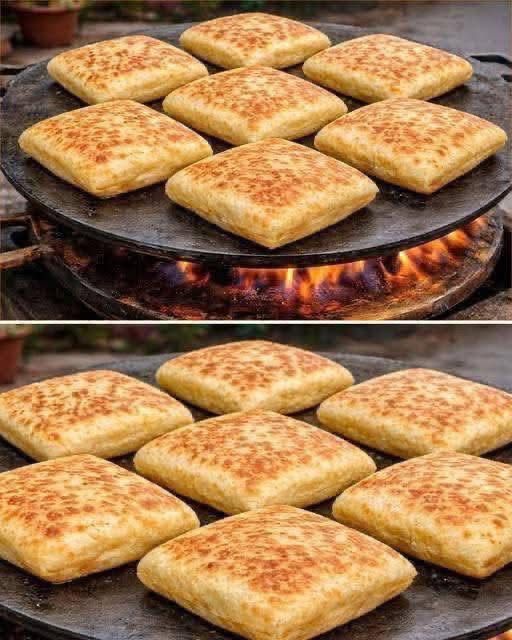
Moroccan cuisine is celebrated worldwide for its rich flavors, aromatic spices, and incredible variety of traditional breads. Among these culinary treasures, Msemen holds a truly special place. If you have ever walked through the vibrant streets of a Moroccan medina in the afternoon, you have likely smelled the irresistible aroma of fresh dough cooking on a hot griddle. As captured beautifully in the image 1000006069.jpg, authentic Msemen are square-shaped, multi-layered pancakes that feature a crispy, golden-brown exterior and a beautifully soft, flaky interior. Often enjoyed during breakfast or afternoon tea time, this traditional flatbread is a staple in Moroccan households and a symbol of warm hospitality.
Mastering the art of making perfect Msemen can seem intimidating to beginners because of the unique folding technique required to achieve those distinct, paper-thin layers. However, once you understand the basic science of the dough and the rhythm of the folding process, you can easily recreate this authentic bakery-quality treat right in your own kitchen. In this comprehensive guide, we will break down everything you need to know to make perfect Moroccan Msemen from scratch. We will cover the essential ingredients, the step-by-step preparation and folding methods, and the expert tips required to ensure your flatbread puffs up beautifully on the griddle just like the ones shown cooking over the open flame in 1000006069.jpg.
What is Moroccan Msemen?
To understand how to make perfect Msemen, it helps to look at what makes this traditional bread so unique. Msemen, sometimes referred to as Musamman, is a laminated flatbread traditional to the Maghreb region. Unlike Western pancakes or standard flatbreads, Msemen relies on a specialized folding process that incorporates oil, melted butter, and fine semolina between ultra-thin layers of dough. This lamination process is highly similar to the technique used to make French puff pastry or Indian parathas, resulting in a bread that is simultaneously chewy, crispy, and tender.
The Role of Fine Semolina in the Dough
One of the defining characteristics of authentic Moroccan Msemen is the use of fine semolina flour (smida rquuqa) in combination with regular all-purpose flour. The semolina provides a distinct golden color, a rustic texture, and a pleasant structural chewiness that you cannot achieve with white flour alone. It also plays a vital role during the laminating stage, preventing the greasy layers of dough from melting completely into one another during cooking, which guarantees a distinct flaky separation.
When and How Msemen is Traditionally Served
In Morocco, Msemen is rarely eaten alone. It is almost always served piping hot, straight from the pan, accompanied by a generous drizzle of a warm honey and melted butter mixture. This sweet and savory combination is a match made in heaven. It is traditionally paired with a steaming pot of authentic Moroccan mint tea, making it the ultimate comfort food for a leisurely weekend breakfast or a cozy afternoon snack with family and guests.
Essential Ingredients for Perfect Msemen
The beauty of this recipe lies in its simplicity. You do not need any complex or hard-to-find ingredients to create these gorgeous, flaky squares. Most of these items are likely already sitting in your kitchen pantry.
The Dough Ingredients
- Fine Semolina (2 cups): Ensure you use extra-fine or fine semolina flour, not coarse semolina, which is used for couscous. The fine texture is critical for a smooth dough.
- All-Purpose White Flour (3 cups): Provides the necessary gluten structure and flexibility needed to stretch the dough paper-thin without tearing.
- Salt (1.5 teaspoons): Enhances the overall flavor of the dough and balances the sweetness of the honey toppings served later.
- Sugar (1 teaspoon): Helps activate the dough flexibility and aids in achieving that beautiful, uniform golden-brown caramelization on the griddle.
- Instant Yeast (1/4 teaspoon – Optional): While traditional Msemen is technically an unleavened flatbread, adding a tiny pinch of yeast helps relax the gluten, making the dough much easier to stretch and giving the final bread a slightly softer, lighter bite.
- Warm Water (About 1.5 to 2 cups): Used to bind the dough. The water should be comfortably warm to the touch, not hot, to ensure the gluten relaxes properly.
The Lamination and Cooking Ingredients
- Vegetable Oil (1 cup): Used generously on your hands and work surface to lubricate the dough, allowing it to stretch out smoothly without sticking or breaking.
- Unsalted Butter (1/2 cup, melted): Brushed over the stretched dough to provide flavor and create the separations necessary for distinct flaky layers.
- Fine Semolina (1/2 cup, for sprinkling): Dusting a small amount of dry semolina over the buttered dough absorb excess moisture and keeps the laminated layers separated during the cooking process.
Step-by-Step Instructions: Kneading the Dough
Achieving the perfect texture starts with proper dough development. You want a dough that is soft, highly elastic, and completely smooth to the touch.
Mixing the Ingredients
In a very large mixing bowl or on a traditional Moroccan clay dish (Gsaa), combine the fine semolina, all-purpose flour, salt, sugar, and the tiny pinch of instant yeast. Stir the dry ingredients together thoroughly. Slowly begin adding the warm water a little at a time, using your hand to bring the flour together into a cohesive dough ball. The dough should feel soft and slightly tacky, but it should not be sticky or wet. If the dough feels too dry, add a tablespoon of water at a time; if it feels too sticky, add a dusting of all-purpose flour.
The Importance of Thorough Kneading
Once the ingredients are combined, turn the dough out onto a clean, un-floured work surface. Knead the dough vigorously for at least 10 to 15 minutes by hand, or for 7 to 8 minutes using a stand mixer equipped with a dough hook attachment. Use the heels of your hands to push the dough forward, fold it back over itself, and repeat. You are looking to develop the gluten network extensively. You will know the dough is ready when it transitions from a rough, dense texture into a completely smooth, supple, and elastic ball that springs back gently when pressed with a finger.
Rest Period for Gluten Relaxation
After kneading, divide the large dough ball into smaller, equal-sized portions roughly the size of a small plum or an egg. Coat each individual dough ball lightly with vegetable oil to prevent a dry skin from forming on the surface. Place the oiled balls on a tray, cover them loosely with a sheet of plastic wrap, and let them rest undisturbed for 20 to 30 minutes. This resting phase is absolutely crucial; it allows the tight gluten strands to relax, which ensures the dough can be stretched exceptionally thin in the next step without snapping back.
The Master Class: How to Fold Msemen
The folding process is where the magic happens. As you can see in image 1000006069.jpg, the final product is perfectly square and uniform. This shape is achieved through a precise double-envelope folding technique.
Stretching the Dough Paper-Thin
Oil your hands and your large, smooth work surface generously with vegetable oil. Take one rested dough ball and place it in the center of your workspace. Using the palms of your hands, begin pressing the ball flat, flattening it outward from the center into a large circle. Keep your hands lubricated with oil as you work. Gently slide your hands under the edges of the dough and pull outward smoothly. Continue stretching the dough until it forms a massive, translucent circle or rectangle. The dough must be so thin that you can practically see the color of your kitchen countertop through it. If a small tear occurs, do not panic; it will be hidden inside the folds anyway.
Creating the Laminated Square
Once your dough is fully stretched out, drizzle about a tablespoon of melted butter evenly across the surface. Use your fingers to smooth the butter over the entire sheet. Next, take a small pinch of dry fine semolina and dust it evenly over the buttered surface. Now, it is time to fold:
- Take the top edge of the circle and fold it down inward toward the center, creating a straight edge.
- Take the bottom edge of the circle and fold it upward toward the center, overlapping the first fold slightly. You should now have a long, narrow rectangle of dough.
- Drizzle a tiny bit more melted butter and a light dusting of semolina onto this new rectangular layer.
- Take the left side of the rectangle and fold it inward toward the middle.
- Take the right side of the rectangle and fold it inward to cover the left fold completely.
You are now left with a perfect, neat little square packet of dough containing multiple internal layers. Place this square aside on an oiled surface, cover it with plastic wrap, and repeat the entire stretching and folding process with the remaining dough balls. Always cook the squares in the exact order that you folded them, allowing each square a few minutes to rest before hitting the pan.
How to Cook Msemen to Golden Perfection
Cooking Msemen correctly requires a heavy-bottomed pan and careful heat management to recreate the stunning results shown in the top and bottom panels of image 1000006069.jpg.
Flattening the Square Packets
Before placing a folded square onto the hot pan, you must flatten it out slightly. Take the first square packet you folded and place it on your lightly oiled work surface. Using your fingers and palms, press down evenly on the square, flattening it outward while carefully maintaining its square shape. Flatten it until it expands to roughly double its original size and is about 1/4-inch thick. Avoid pressing too hard on the edges, as you want to ensure the inner layers remain free to expand and separate during the cooking process.
Managing Griddle Temperature
Heat a heavy cast-iron skillet, a non-stick griddle, or a traditional Moroccan heavy clay or iron pan (Farrah) over medium to medium-high heat. Spritz the surface of the pan with a tiny drop of vegetable oil. Once the pan is thoroughly hot, carefully lift your flattened dough square and place it onto the griddle. You should instantly hear a gentle, rhythmic sizzling sound.
The Flip-and-Puff Technique
The secret to achieving maximum puffiness and distinct inner layers lies in frequent turning. Let the Msemen cook on the first side for just 30 to 45 seconds until tiny bubbles begin to form on the top surface. Immediately flip the bread over onto the second side. Drizzle a few drops of melted butter or oil onto the cooked surface. Continue flipping the Msemen every 30 seconds. As the heat penetrates the layers, the trapped air and steam will expand, causing the entire square to puff up beautifully like a cushion, exactly like the golden squares depicted on the large griddle in image 1000006069.jpg. Once both sides are beautifully golden-brown with characteristic speckled leopard spots, remove it from the pan and place it on a cloth-lined basket to keep warm while you cook the rest.
Expert Tips for the Best Results
- Never Skip the Rest Times: If your dough keeps shrinking back when you try to stretch it thin, it simply means the gluten is too tight. Walk away and let the dough rest for another 10 minutes.
- Keep Your Hands Well-Oiled: Do not use flour on your work surface during the stretching and shaping stage. White flour will dry out the dough and make it tough. Only use vegetable oil to lubricate your workspace and hands.
- Use a Heavy-Bottomed Pan: A thin pan will create hot spots, burning the outside of your flatbread before the interior layers have a chance to cook through properly. Cast iron holds heat beautifully and distributes it evenly.
- Flipping Frequently is Crucial: Do not leave the bread sitting on one side for too long. Constant flipping distributes the heat evenly through the layers, encouraging the steam to separate the laminations inside.
Creative Variations of Traditional Msemen
While plain Msemen served sweet with honey is the absolute standard, this versatile dough can easily be adapted into various savory interpretations.
Savory Stuffed Msemen (Msemen Maamer)
A highly popular variation found across Morocco is Msemen Maamer, which features a delicious, savory filling folded inside the layers. The filling typically consists of finely minced onions, bell peppers, garlic, fresh herbs like parsley and cilantro, and traditional spices like paprika, cumin, and a pinch of chili powder. Sometimes ground beef (Kefta) or fine suet is added for extra richness. This mixture is cooked down completely, cooled down to room temperature, and then spread thinly over the stretched dough before folding it into a square. It results in a incredibly savory, satisfying meal on its own.
Meloui (The Rolled Circular Flatbread)
Using the exact same dough recipe, you can also create Meloui. Instead of folding the stretched translucent dough into a square envelope, the dough is drizzled with butter and semolina and then rolled tightly up into a long log shape. The log is then stood up vertically on its end, pressed down firmly into a flat circle, rested, and flattened out into a round flatbread before being cooked on the griddle. It offers an alternative texture that is equally flaky and prized in Moroccan cuisine.
How to Store and Reheat Msemen
Because making Msemen requires a bit of time and effort, it is an excellent idea to make a massive batch and store the leftovers for later use. They store beautifully and reheat like a dream.
Refrigeration and Freezing Methods
Allow any leftover cooked Msemen to cool down completely to room temperature. If you plan on eating them within 2 to 3 days, simply stack them with sheets of parchment paper between them, place them inside an airtight plastic ziplock bag, and store them in the refrigerator. For longer storage, wrap each individual flatbread tightly in plastic wrap, place them inside a heavy-duty freezer bag, and freeze them for up to 3 months.
The Right Way to Reheat
Never use a microwave to reheat your Msemen, as it will make the dough rubbery, tough, and soggy. Instead, reheat your frozen or refrigerated flatbreads by placing them directly onto a hot, dry skillet over medium-low heat for 2 to 3 minutes on each side. The heat will quickly melt the internal butter layers, restoring the flatbread back to its original crispy, flaky, bakery-fresh state.
Conclusion
Making authentic Moroccan Msemen is a beautiful, rewarding culinary art form that brings the comforting aromas of Moroccan kitchens directly into your home. As shown in image 1000006069.jpg, achieving those stunning, puffed-up, golden-brown squares is a matter of patience, proper dough relaxation, and a fun folding technique that creates layers of pure joy. Whether you choose to enjoy them the traditional way—dripping with a warm honey-butter glaze alongside a piping hot glass of fresh mint tea—or experiment with savory fillings, this timeless recipe is bound to become a favorite staple in your baking repertoire. Gather your ingredients, take your time with the folds, and enjoy the delicious process of making perfect Moroccan flatbreads from scratch!