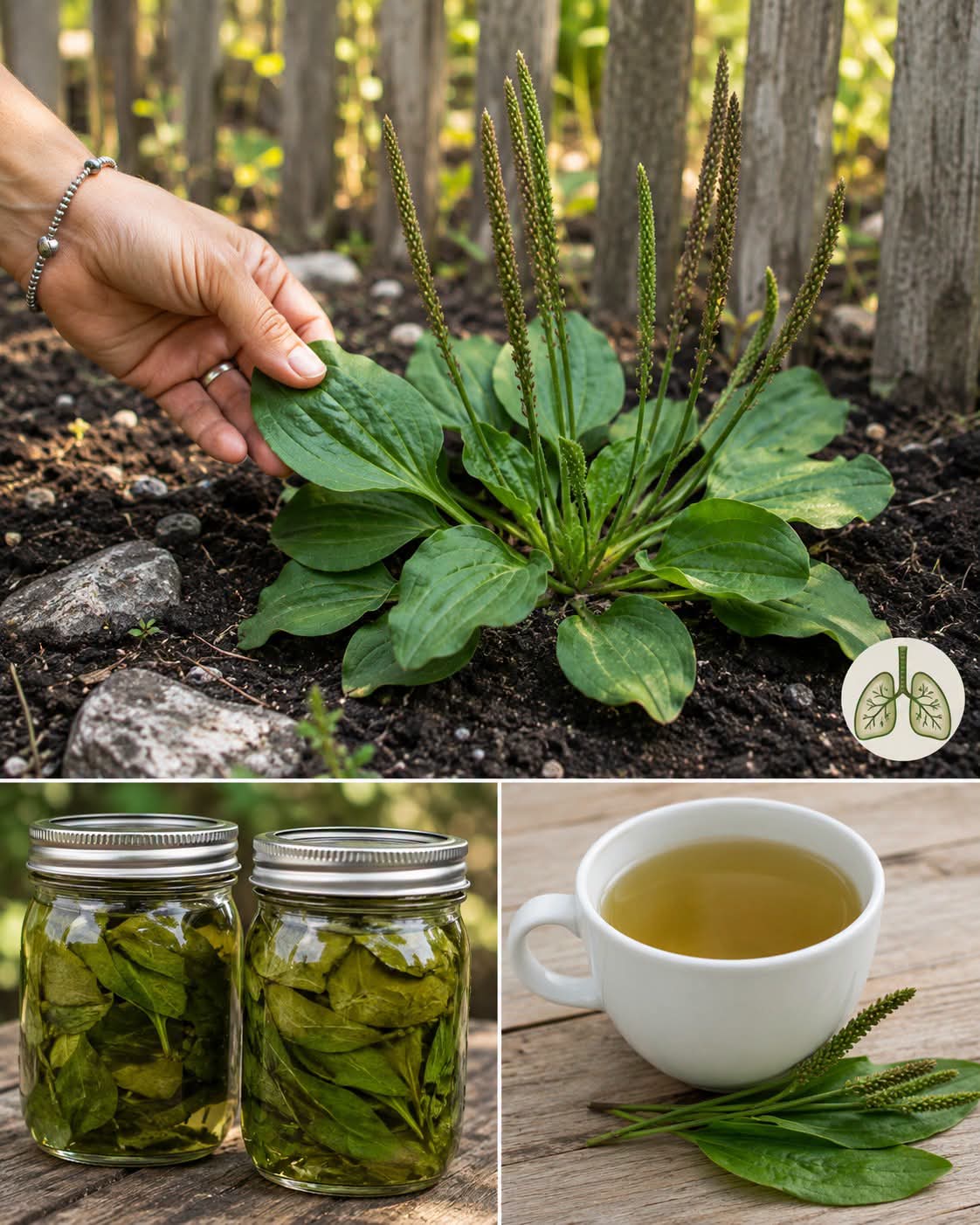
Plantain Leaf Tea A Traditional Herbal Infusion Guide Safe Preparation Methods, and Garden to Cup Practices
Introduction
Plantain leaf tea has been enjoyed for generations in many cultures as a simple herbal infusion made from the leaves of the common plantain plant. Often found growing in gardens, lawns, pathways, and natural landscapes, plantain is one of the most recognizable wild herbs in the world. While many people consider it a common garden weed, plantain has a long history in traditional foodways, herbal folklore, and home gardening.
Today, gardeners and culinary enthusiasts appreciate plantain for its versatility, ease of cultivation, and usefulness in homemade herbal beverages. Plantain leaf tea is valued not because of medical claims or miracle promises, but because it offers an opportunity to connect with traditional herbal practices and explore natural ingredients that can be grown or responsibly harvested close to home.
This guide provides a detailed look at plantain leaf tea, including plant identification, harvesting methods, cleaning procedures, drying techniques, preparation instructions, storage recommendations, safety considerations, and practical garden tips. Whether you are new to herbal infusions or interested in expanding your garden-to-cup knowledge, this comprehensive resource will help you prepare plantain leaf tea safely and responsibly.
Understanding Plantain Plants
What Is Plantain?
Plantain refers to several species within the Plantago genus, with broadleaf plantain (Plantago major) and narrowleaf plantain (Plantago lanceolata) being among the most common.
These hardy perennial plants are known for their low-growing leaf rosettes and distinctive flower spikes that rise above the foliage. Plantain adapts well to various soil types and climates, making it one of the most widespread wild herbs worldwide.
Recognizing Broadleaf Plantain
Broadleaf plantain features:
- Wide oval-shaped leaves
- Prominent parallel veins
- Low-growing rosette formation
- Tall flower stalks with seed spikes
- Smooth leaf edges
The broad leaves shown in many traditional harvesting guides are often associated with broadleaf plantain.
Recognizing Narrowleaf Plantain
Narrowleaf plantain differs by having:
- Long slender leaves
- Ribbed leaf texture
- Upright growth habit
- Similar flower spikes
- More lance-shaped foliage
Both species are commonly used in traditional herbal preparations.
The History of Plantain in Traditional Culture
Plantain has been utilized for centuries throughout Europe, Asia, Africa, and North America. Historical records indicate that travelers and settlers often carried plantain seeds with them, unintentionally spreading the plant across continents.
In traditional communities, plantain leaves were incorporated into household herbal practices, culinary experiments, and seasonal preparations. The plant became valued for its resilience and accessibility, making it a familiar component of many rural gardens.
Today, plantain continues to attract interest from gardeners who appreciate heirloom herbs and traditional plant knowledge.
Why Gardeners Appreciate Plantain
Easy to Grow
Plantain requires very little maintenance once established. It tolerates poor soil conditions and adapts well to different environments.
Drought Tolerant
Mature plants can survive periods of reduced rainfall, making them attractive for low-maintenance landscapes.
Pollinator Friendly
The flower spikes can provide resources for certain beneficial insects and pollinators.
Self-Seeding Nature
Plantain readily produces seeds, allowing gardeners to maintain a sustainable supply with minimal effort.
Selecting Plantain Leaves for Tea
Choose Healthy Plants
Only harvest from plants that appear healthy and free from disease, discoloration, or insect damage.
Avoid Contaminated Areas
Never harvest plantain growing:
- Along busy roads
- Near industrial sites
- Around chemically treated lawns
- Adjacent to parking lots
- In areas exposed to pollution
Clean growing environments help ensure a safer final product.
Harvest Young to Medium Leaves
Many gardeners prefer leaves that are:
- Fully developed
- Bright green
- Flexible
- Free from yellowing
Older leaves may become tougher and more fibrous.
Proper Harvesting Techniques
Morning Harvesting
Harvesting during the morning after dew has evaporated is often recommended.
At this time, leaves are generally fresh and easier to process.
Use Clean Tools
Always use:
- Sanitized scissors
- Clean garden snips
- Food-safe harvesting containers
Clean equipment helps minimize contamination.
Harvest Responsibly
Avoid removing all leaves from a single plant. Sustainable harvesting supports continued growth and preserves the plant’s health.
Cleaning Plantain Leaves Thoroughly
Proper cleaning is one of the most important steps before preparing herbal tea.
Initial Inspection
Examine leaves carefully for:
- Dirt
- Insects
- Debris
- Damaged tissue
Remove any unsuitable material.
Rinse Under Running Water
Wash leaves individually under cool running water.
This removes:
- Soil particles
- Dust
- Surface contaminants
Optional Vinegar Bath
Some gardeners prefer a brief soak using:
- 1 part white vinegar
- 3 parts water
Soak for several minutes before rinsing thoroughly with clean water.
Final Drying
Pat leaves dry using:
- Clean kitchen towels
- Paper towels
- Drying racks
Removing excess moisture helps prevent spoilage.
Drying Plantain Leaves for Long-Term Storage
Air-Drying Method
Air-drying remains one of the most traditional techniques.
Steps
- Gather cleaned leaves.
- Arrange them in a single layer.
- Place in a dry, shaded location.
- Ensure adequate airflow.
- Allow several days for complete drying.
Leaves should become crisp and brittle.
Dehydrator Method
A food dehydrator offers greater consistency.
Recommended Practices
- Use low temperatures.
- Avoid overheating.
- Check regularly for dryness.
Oven-Drying Method
When using an oven:
- Select the lowest temperature.
- Leave the door slightly open if appropriate.
- Monitor carefully.
Excessive heat may negatively affect flavor and aroma.
How to Store Dried Plantain Leaves
Use Airtight Containers
Store dried leaves in:
- Glass jars
- Food-safe containers
- Vacuum-sealed bags
Keep Away from Light
Dark storage conditions help preserve quality.
Avoid Moisture Exposure
Humidity can lead to deterioration and spoilage.
Label Everything
Include:
- Harvest date
- Drying date
- Plant variety
Organized storage helps maintain freshness.
Plantain Leaf Tea Recipe
Ingredients
- 1 to 2 teaspoons dried plantain leaves
- 1 cup hot water
Optional additions:
- Lemon slices
- Mint leaves
- Honey
- Chamomile
- Ginger
Equipment
- Tea strainer
- Teapot
- Heat-safe mug
- Kettle
Step-by-Step Tea Preparation
Step 1: Heat Water
Bring fresh water to a near-boil.
Step 2: Add Dried Leaves
Place dried plantain leaves into a tea infuser or teapot.
Step 3: Pour Water
Carefully pour hot water over the leaves.
Step 4: Steep
Allow the infusion to steep for approximately 5 to 10 minutes.
Steeping time can be adjusted according to personal taste preferences.
Step 5: Strain
Remove the leaves using a strainer or infuser.
Step 6: Serve
Enjoy the tea warm.
Optional flavor additions may be incorporated as desired.
Flavor Profile of Plantain Tea
Plantain tea is generally described as:
- Mild
- Earthy
- Lightly grassy
- Subtle in aroma
Because its flavor is gentle, many people enjoy combining it with other culinary herbs.
Popular Plantain Tea Blends
Plantain and Mint
Mint adds freshness and cooling character.
Plantain and Chamomile
Chamomile contributes floral notes.
Plantain and Lemon
Fresh lemon introduces bright citrus flavor.
Plantain and Ginger
Ginger provides warmth and complexity.
Growing Plantain at Home
Soil Requirements
Plantain tolerates:
- Clay soils
- Sandy soils
- Loamy soils
Good drainage is beneficial.
Sunlight Needs
Plantain grows well in:
- Full sun
- Partial shade
Water Requirements
Moderate watering typically supports healthy growth.
Avoid prolonged waterlogging.
Seed Collection
Mature flower spikes produce seeds that can be collected and replanted.
Sustainable Harvesting Practices
Leave Enough Foliage
Retain sufficient leaves to support continued growth.
Protect Local Ecosystems
Harvest responsibly and avoid damaging surrounding vegetation.
Avoid Overharvesting Wild Populations
When foraging, collect only small amounts from abundant populations.
Common Mistakes to Avoid
Misidentifying Plants
Always verify plant identification before harvesting.
Harvesting Near Polluted Areas
Environmental contamination may affect plant quality.
Improper Storage
Exposure to moisture can reduce shelf life.
Using Moldy Material
Discard any leaves showing signs of spoilage.
Safety Considerations
Correct Identification Is Essential
Many wild plants may resemble one another. Accurate identification should always occur before consumption.
Consult Qualified Professionals
Individuals with allergies, dietary concerns, pregnancy-related considerations, or specific health questions should seek advice from qualified professionals before introducing new herbal products.
Use Food-Grade Equipment
Ensure all containers, tools, and preparation surfaces are clean and suitable for food preparation.
Not a Substitute for Professional Care
Plantain tea should be viewed as a traditional herbal beverage and culinary preparation. It is not intended to diagnose, treat, cure, or prevent any disease or medical condition.
Frequently Asked Questions
Can Fresh Leaves Be Used?
Yes. Fresh leaves may be used, although dried leaves are often preferred for storage convenience and consistent flavor.
How Long Do Dried Leaves Last?
Properly stored dried leaves can maintain quality for many months.
Can Plantain Be Grown in Containers?
Yes. Plantain adapts well to containers provided adequate drainage is available.
Is Plantain Difficult to Cultivate?
No. Plantain is generally considered one of the easiest herbs to grow.
Conclusion
Plantain leaf tea represents a fascinating connection between gardening traditions, herbal folklore, and simple home preparation techniques. By learning proper identification, harvesting, cleaning, drying, and storage methods, gardeners can safely explore this traditional herbal infusion while maintaining responsible and sustainable practices. Whether grown intentionally in a garden bed or harvested from a carefully verified and uncontaminated location, plantain offers an opportunity to appreciate one of nature’s most resilient plants. As with any herbal preparation, attention to cleanliness, accurate identification, and safe preparation methods remains essential. With thoughtful handling and respect for traditional practices, plantain leaf tea can become an enjoyable addition to a garden-to-cup lifestyle.